╔
Bristol Dockside Stories: il lato ribelle dell’Inghilterra
Ci sono città che si visitano. E poi ci sono città che raccontano storie. Bristol appartiene decisamente alla seconda categoria. Perché qui basta una passeggiata lungo il porto per imbattersi in pirati leggendari, misteriosi artisti sfuggenti, container trasformati in ristoranti e vecchie barche diventate discoteche galleggianti.
Sembra l’inizio di un romanzo surreale. Invece è semplicemente Bristol. E tutto, incredibilmente, comincia da una tazza di tè. O forse da una tavoletta di cioccolato. O ancora da un bicchiere di rum…
Per comprendere la Bristol contemporanea è necessario partire dal mare. Per oltre due secoli, infatti, la città fu uno dei principali nodi del cosiddetto commercio triangolare, il sistema economico che collegava Europa, Africa e Americhe attraverso una rete di scambi che contribuì in modo decisivo alla costruzione della ricchezza dell’Impero britannico.
Le navi salpavano dai porti europei cariche di manufatti, tessuti, utensili metallici e altri beni destinati ai mercati africani. Da qui partiva la seconda tratta, la più tragica, che trasportava persone ridotte in schiavitù verso le piantagioni delle colonie americane e caraibiche. Le navi ritornavano infine in Europa cariche di zucchero, cacao, caffè, tè, rum, melassa, tabacco, cotone e spezie. Tra il XVII e il XVIII secolo Bristol divenne uno dei principali protagonisti di questo sistema, al punto da competere con Liverpool e Londra per volume di traffici e ricchezza accumulata.
There are cities you just visit. And then there are cities that tell stories. Bristol definitely belongs to the second category. Because in Bristol, a stroll along the harbour is enough to encounter legendary pirates, mysterious elusive artists, shipping containers transformed into restaurants, and old boats turned into floating nightclubs.
It feels like the beginning of a surreal novel. Instead, it’s just Bristol. And it all, incredibly, starts with a cup of tea. Or maybe from a chocolate bar. Or even from a glass of rum…
Understanding contemporary Bristol requires starting from the sea. For over two centuries, in fact, the city was one of the main nodes of the so-called triangular trade, the economic system that connected Europe, Africa and the Americas through a network of exchanges that contributed decisively to the construction of the wealth of the British Empire.
The ships sailed from European ports loaded with manufactured goods, textiles, metal tools and other goods destined for African markets. From here it began the second, most tragic, route that transported enslaved people to the plantations of the American and Caribbean colonies. The ships eventually returned to Europe laden with sugar, cocoa, coffee, tea, rum, molasses, tobacco, cotton, and spices. Between the 17th and 18th centuries Bristol became one of the main protagonists of this system, to the point of competing with Liverpool and London in terms of volume of trade and accumulated wealth.
La città che ha trasformato il mondo in un menu
The City that Turned the World into a Menu
A Bristol il porto non ha soltanto importato merci: ha importato sapori. Le rotte transatlantiche hanno lasciato tracce profonde nella cultura urbana della città e molte di esse, sorprendentemente, si possono ancora assaggiare. Passeggiando lungo il waterfront si ha spesso l’impressione che qualcuno abbia preso un mappamondo e lo abbia trasformato in una carta dei ristoranti. Nel giro di poche centinaia di metri si può passare da una bakery inglese a un ristorante caraibico, da uno street food asiatico a una birreria artigianale che sperimenta aromi provenienti da mezzo pianeta. Il bello è che tutto questo non appare artificiale. Le influenze internazionali fanno parte della storia della città da così tanto tempo da sembrare perfettamente naturali.
In Bristol the port didn’t just import goods: it imported flavours. Transatlantic routes have left deep traces in the city’s urban culture, and many of them, surprisingly, can still be tasted. Walking along the waterfront, you often get the impression that someone has taken the globe and turned it into a restaurant map. Within a few hundred meters, you can go from an English bakery to a Caribbean restaurant, from an Asian street food to a craft beer house that experiments with aromas from half of the planet. The beauty is that all of this doesn’t appear artificial. International influences have been part of the city’s history for so long that they seem perfectly natural.
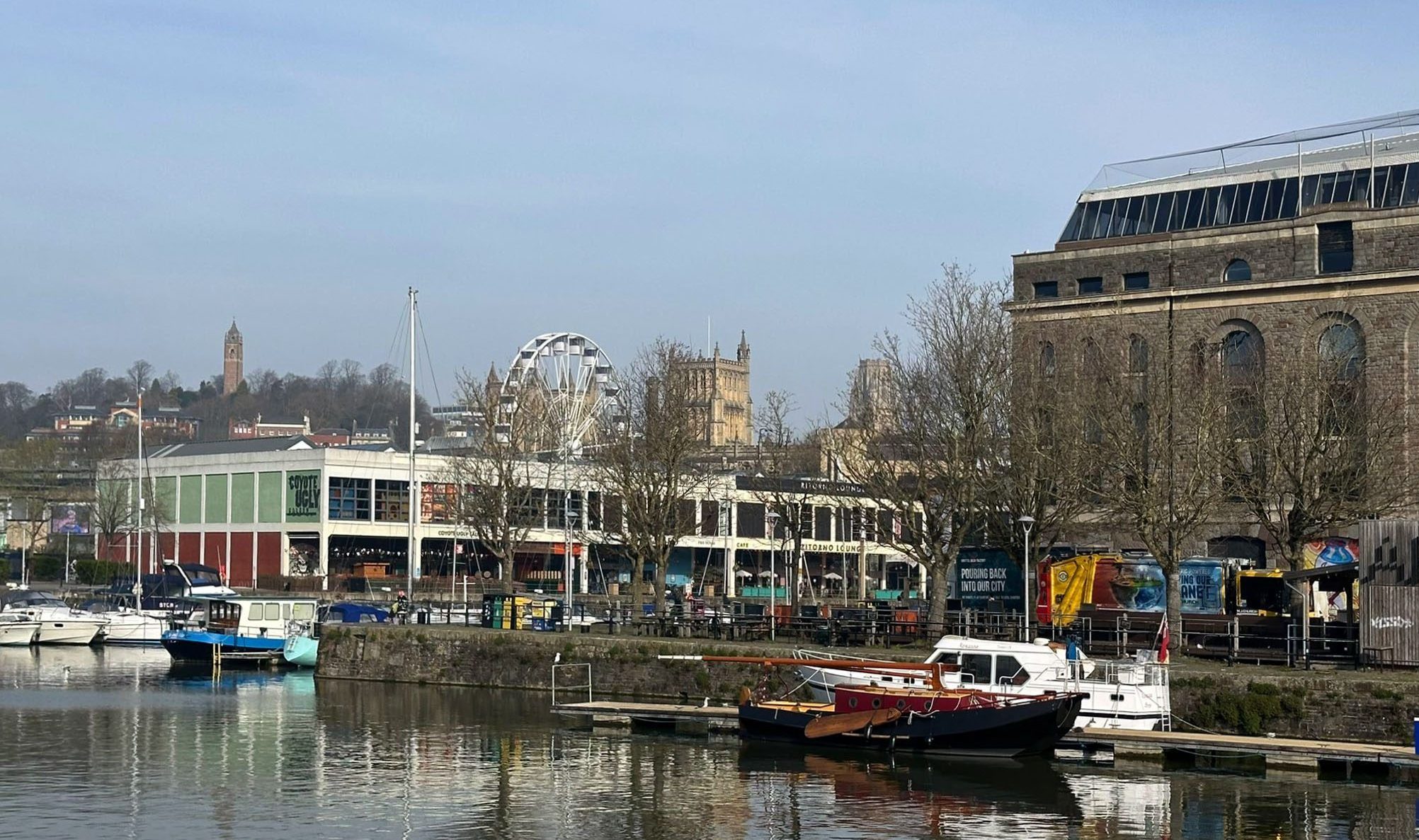
Panorama osservato dal Prince Street Bridge, con l’Arnolfini Art Centre sulla destra, il waterfront cittadino, la ruota panoramica e la cattedrale sullo sfondo. (Foto di Ester Badami).
View observed from the Prince Street Bridge, with the Arnolfini Art Centre on the right, the city waterfront, the Ferris wheel and the cathedral in the background. (Photo by Ester Badami).
Anche gli interni dei locali raccontano questa vicenda con una buona dose di humour britannico. Entrando in molti pub e ristoranti del porto ci si trova immersi in un paesaggio tropicale degno di una spedizione nella giungla: carte da parati con foglie di palma giganti, fiori esotici, tucani, fenicotteri e pappagalli coloratissimi ricoprono le pareti. Poi, improvvisamente, compaiono loro: un serissimo lord vittoriano, o una dama georgiana, o un ufficiale della marina reale. Ritratti di personaggi illustri in perfetto british style rigorosamente incorniciati come in una dimora aristocratica inglese. Il contrasto è irresistibile. È come se qualcuno avesse preso Downton Abbey e l’avesse trasferita nei Caraibi!
Even the interiors of the venues tell this story with a good dose of British humour. Entering many of the port’s pubs and restaurants, you find yourself immersed in a tropical landscape worth of a jungle expedition: wallpapers featuring giant palm leaves, exotic flowers, toucans, flamingos, and colourful parrots cover the walls. Then they suddenly appear: a very serious Victorian lord, or a Georgian lady, or a royal naval officer. Portraits of illustrious figures in perfect British style rigorously framed as in an English aristocratic mansion. The contrast is irresistible. It’s like someone took Downton Abbey and moved it to the Caribbean!
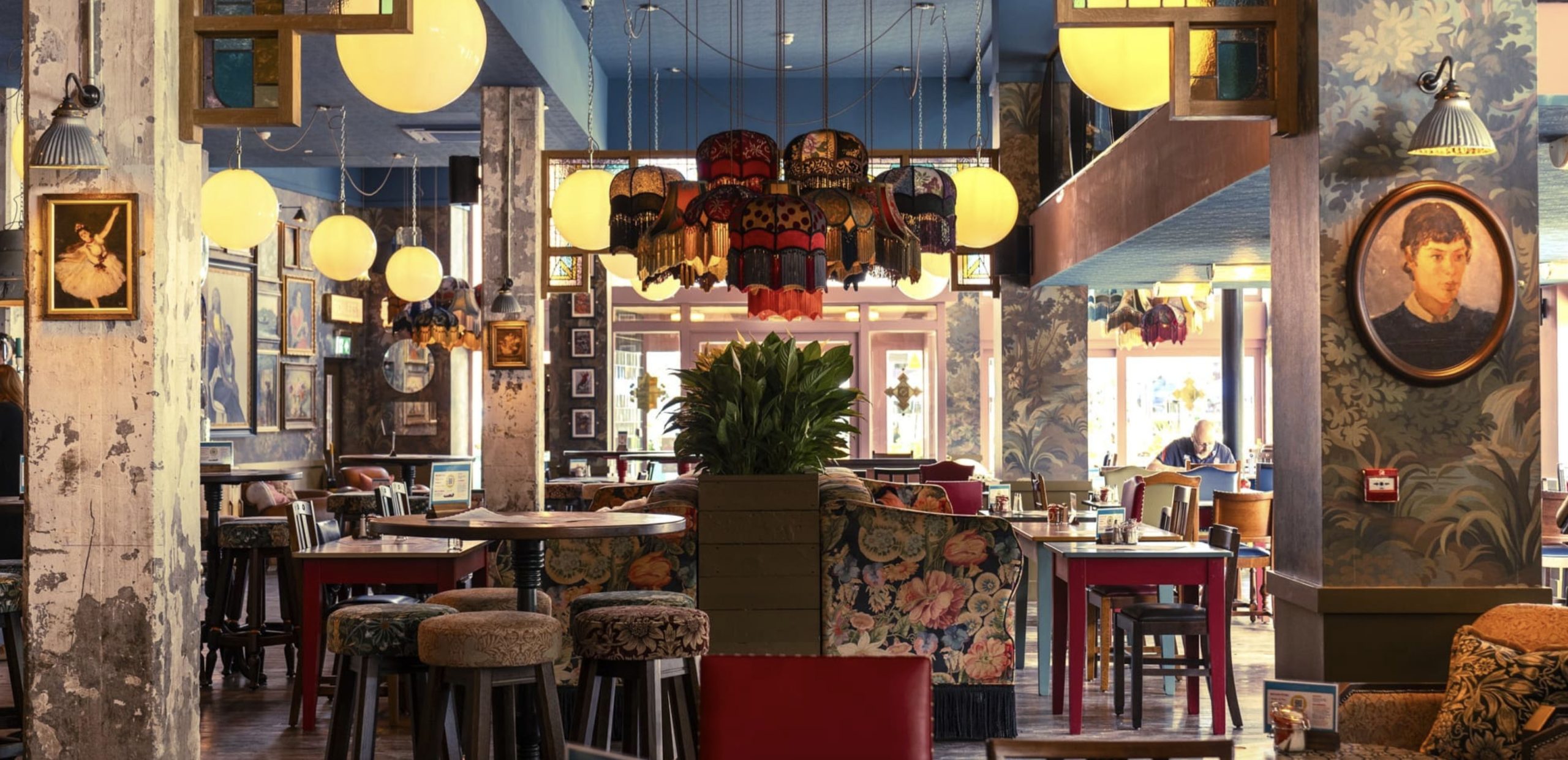
Interno del bar Ritorno Lounge sul waterfront. (Foto riprodotta per gentile concessione di Ritorno Lounge).
Interior of the bar “Ritorno Lounge” located on the waterfront. (Image reproduced with the kind permission of Ritorno Lounge).
Dalle stive ai bistrot: la metamorfosi del porto
From Holds to Bistros: The Metamorphosis of the Port
Quando le grandi navi moderne iniziarono a preferire porti più grandi e più efficienti, il porto storico di Bristol entrò in crisi. Molte città avrebbero cancellato il passato costruendo qualcosa di completamente nuovo. Bristol ha fatto l’esatto contrario. Ha preso i suoi magazzini, le sue banchine, le sue gru e perfino i suoi container e li ha trasformati in una gigantesca macchina urbana per il tempo libero, la cultura e la creatività.
La prima cosa che sorprende chi arriva sul waterfront è il colore. Non il grigio che molti associano alle città industriali britanniche. Colore vero. Case dipinte in tonalità vivaci si affacciano sull’acqua: azzurri luminosi, rossi intensi, verdi brillanti, gialli caldi. Le facciate si riflettono nel porto creando un mosaico che cambia continuamente con la luce del giorno. Nelle rare giornate di sole inglese il waterfront sembra quasi una città mediterranea che ha imparato a bere il tè.
As large modern ships began to prefer larger, more efficient ports, the historic port of Bristol entered a crisis. Many cities would have erased the past by building something completely new. Bristol did the exact opposite. It took its warehouses, its docks, its cranes and even its containers and transformed them into a gigantic urban machine for leisure, culture and creativity.
The first thing that surprises those arriving on the waterfront is the colour. Not the grey many associate with British industrial cities. True colour. Houses painted in bright hues overlook the water: bright blues, intense reds, sparkling greens, warm yellows. The facades are reflected in the port creating a mosaic that changes continuously with daylight. On the rare days of English sunshine, the waterfront almost feels like a Mediterranean city that has learnt to drink tea.
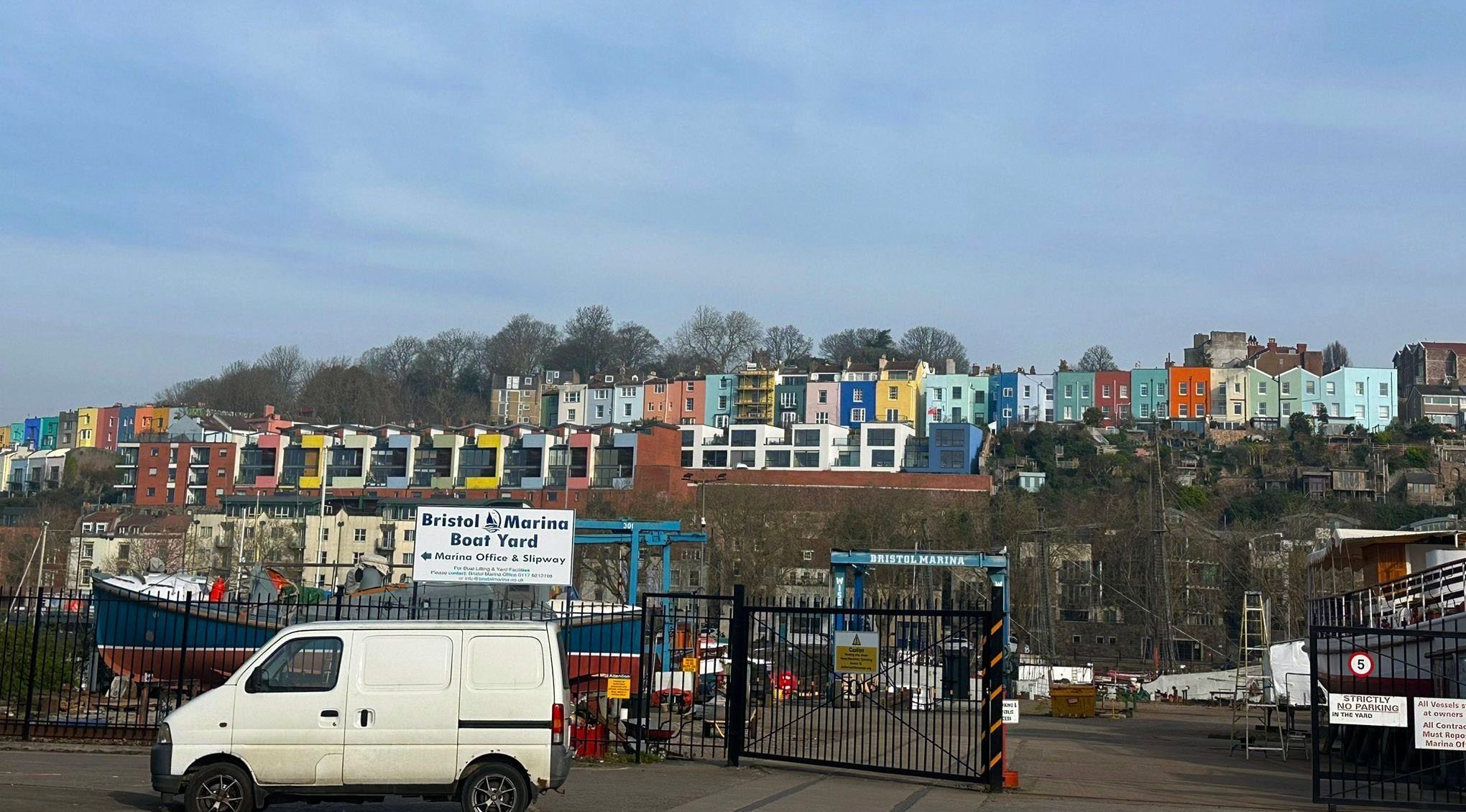
Spike Island: panoramica della marina e delle colline della città di Bristol, che come un mosaico sono puntellate da un delizioso e caratteristico susseguirsi da casette dai colori vivaci. (Foto di Ester Badami).
Spike Island: overview from the Bristol Marina of the hills of the city of Bristol, which like a mosaic are propped up with a delightful and characteristic succession of brightly coloured houses. (Photo by Ester Badami).
Quando cala la sera, lo spettacolo cambia: le barche accendono le loro luci colorate e le lampadine si riflettono sull’acqua; la musica si diffonde lungo le banchine e le terrazze dei bar si riempiono. Alcune imbarcazioni diventano pub galleggianti, in altre si sente suonare musica dal vivo, altre ancora ospitano feste e vere e proprie discoteche sull’acqua. Il porto che un tempo movimentava merci oggi movimenta persone, risate e bicchieri.
As evening falls, the show changes: boats turn on their colourful lights and light bulbs reflect in the water; music plays along the docks and the bar terraces fill up. Some boats become floating pubs, in others you can hear live music playing, still others host parties and actual discos on the water. The port that once handled cargo now handles people, laughter, and glasses.
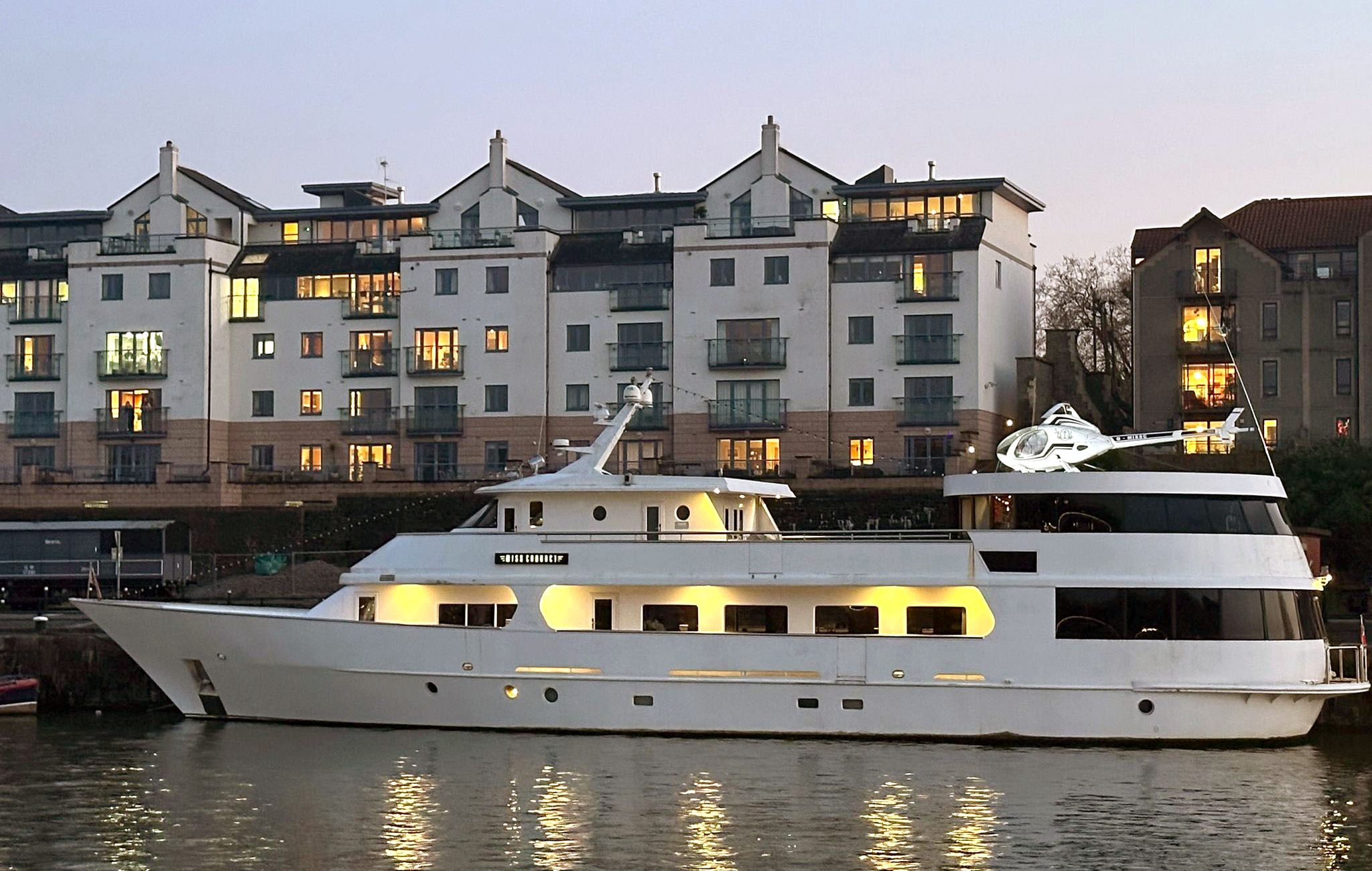
Lussuoso yacht privato con elicottero ormeggiato a Wapping Warf. (Foto di Ester Badami).
Luxurious private yacht with helicopter moored at Wapping Warf. (Photo by Ester Badami).
Il cuore della rigenerazione del porto è rappresentato dall’Harbourside, sviluppatosi nell’area di Canon’s Marsh, dove fino agli anni Settanta si concentravano depositi, magazzini ferroviari, attività portuali e impianti industriali. A partire dagli anni Ottanta, un lungo processo di riconversione ha trasformato questo paesaggio industriale in un waterfront culturale e ricreativo.
Oggi Millennium Square costituisce il centro simbolico di questa trasformazione. Qui si affacciano il museo M Shed, il centro scientifico We The Curious, il Watershed e numerosi spazi pubblici che restituiscono alla città il contatto diretto con l’acqua. L’obiettivo non era soltanto riqualificare un’area degradata, ma ricostruire il rapporto tra Bristol e il suo porto storico, integrando cultura, tempo libero, turismo e residenza.
Se Harbourside è il salotto, Wapping Wharf è la cucina creativa della città. Qui i vecchi container marittimi sono stati impilati e trasformati in ristoranti, caffetterie, pub e negozi indipendenti. L’idea potrebbe sembrare bizzarra ma funziona magnificamente. I container che un tempo attraversavano gli oceani trasportando merci oggi servono brunch, birre artigianali e dolci fatti in casa. È probabilmente uno degli esempi più riusciti di come il riuso urbano possa essere allo stesso tempo intelligente e divertente.
The heart of the port’s regeneration is Harbourside, which developed in the Canon’s Marsh area, where until the 1970s depots, railway warehouses, port operations and industrial facilities were concentrated. Since the 1980s, a long process of reconversion has transformed this industrial landscape into a cultural and recreational waterfront.
Today Millennium Square is the symbolic centre of this transformation. Overlooking it are the M Shed museum, the We The Curious science centre, the Watershed and numerous public spaces that restore direct contact between water and the city. The aim was not only to redevelop a deprived area, but to rebuild the relationship between Bristol and its historic port, integrating culture, leisure, tourism and residence.
If Harbourside is the living room, Wapping Wharf is the city’s creative cuisine. Here the old shipping containers have been stacked and transformed into restaurants, cafes, pubs and independent shops. The idea may seem bizarre but it works beautifully. Containers that once crisscrossed the oceans carrying cargo now serve brunch, craft beers, and homemade desserts. It is probably one of the most successful examples of how urban reuse can be both smart and fun.
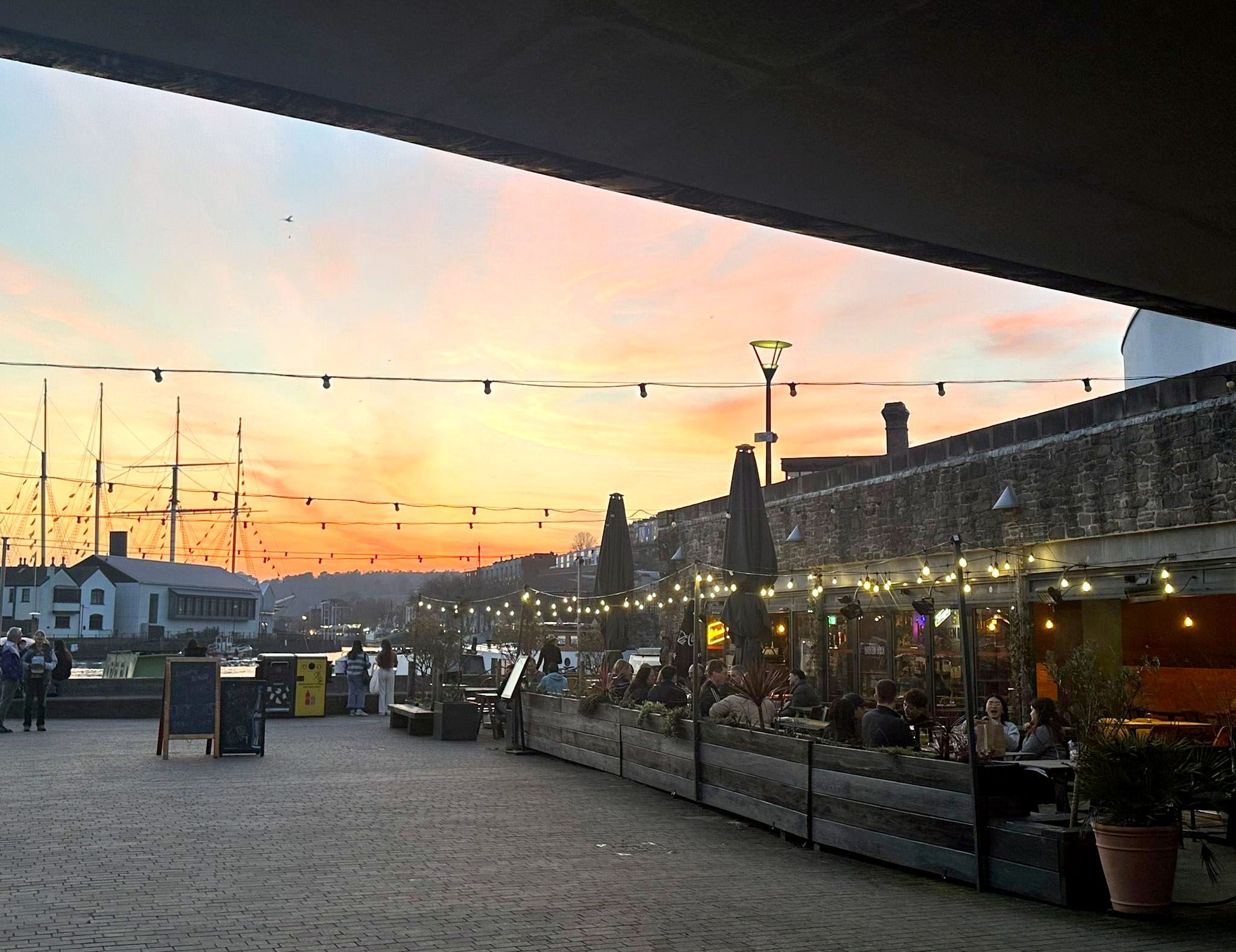
Vista del tramonto da Hannover Quay. (Foto di Ester Badami).
Sunset view from Hannover Quay. (Photo by Ester Badami).
Se proprio non avete voglia di sedervi in un locale, Harbour Inlet offre una soluzione alternativa: i suoi moli galleggianti esposti a ovest sono ottime passerelle dove portarsi birra e patatine per fare un aperitivo informale ammirando il tramonto.
If you really don’t feel like sitting down, Harbour Inlet offers an alternative: its west-facing floating docks are great boardwalks for beer and chips for a casual aperitif while watching the sunset.
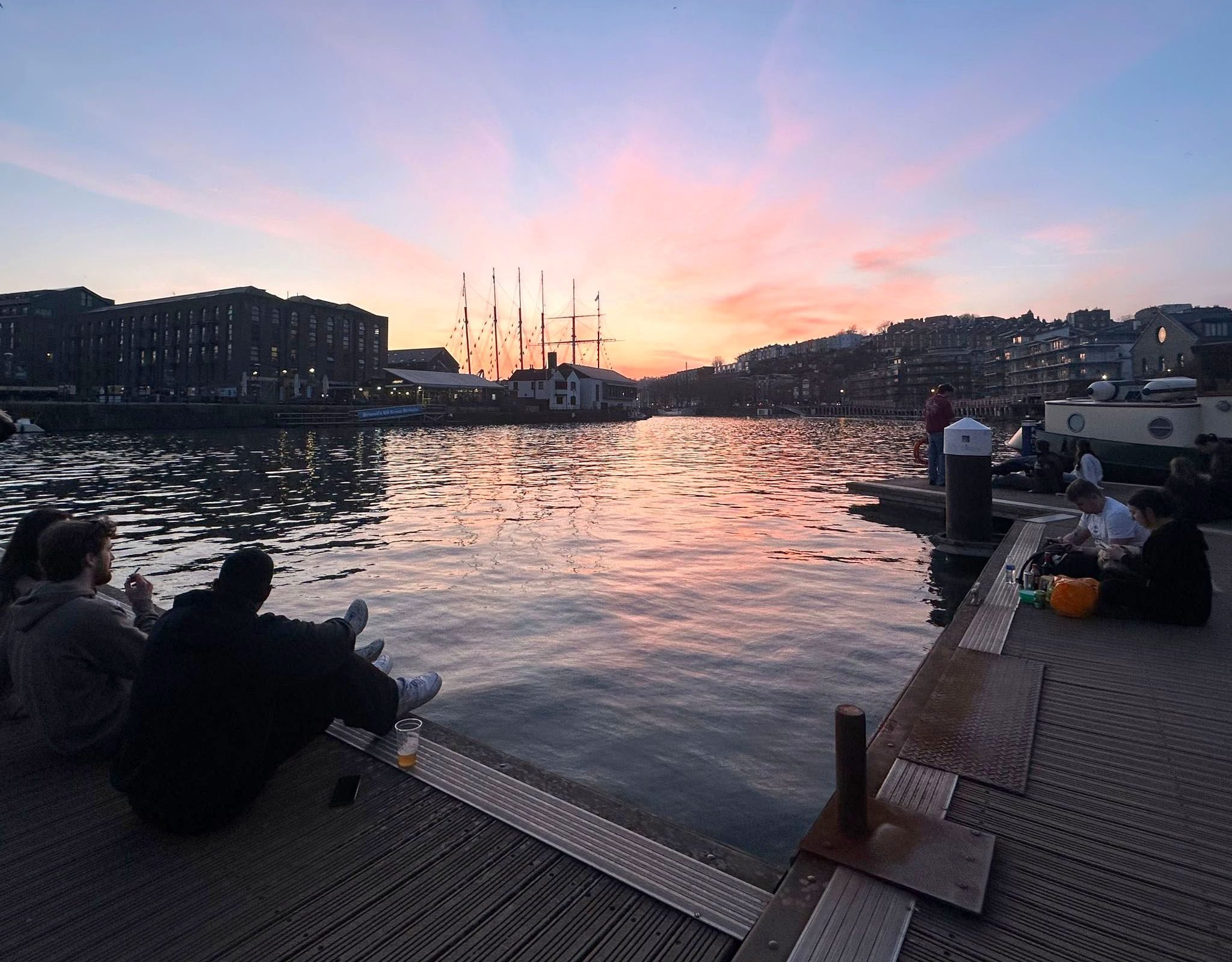
Aperitivo al tramonto sui moli galleggianti della Millenium Promenade. (Foto di Ester Badami).
Sunset aperitif on the floating piers of the Millennium Promenade. (Photo by Ester Badami).
Il pirata e l’artista: le due anime più irrequiete di Bristol
The Pirate and the Artist: Bristol’s Two Restless Souls
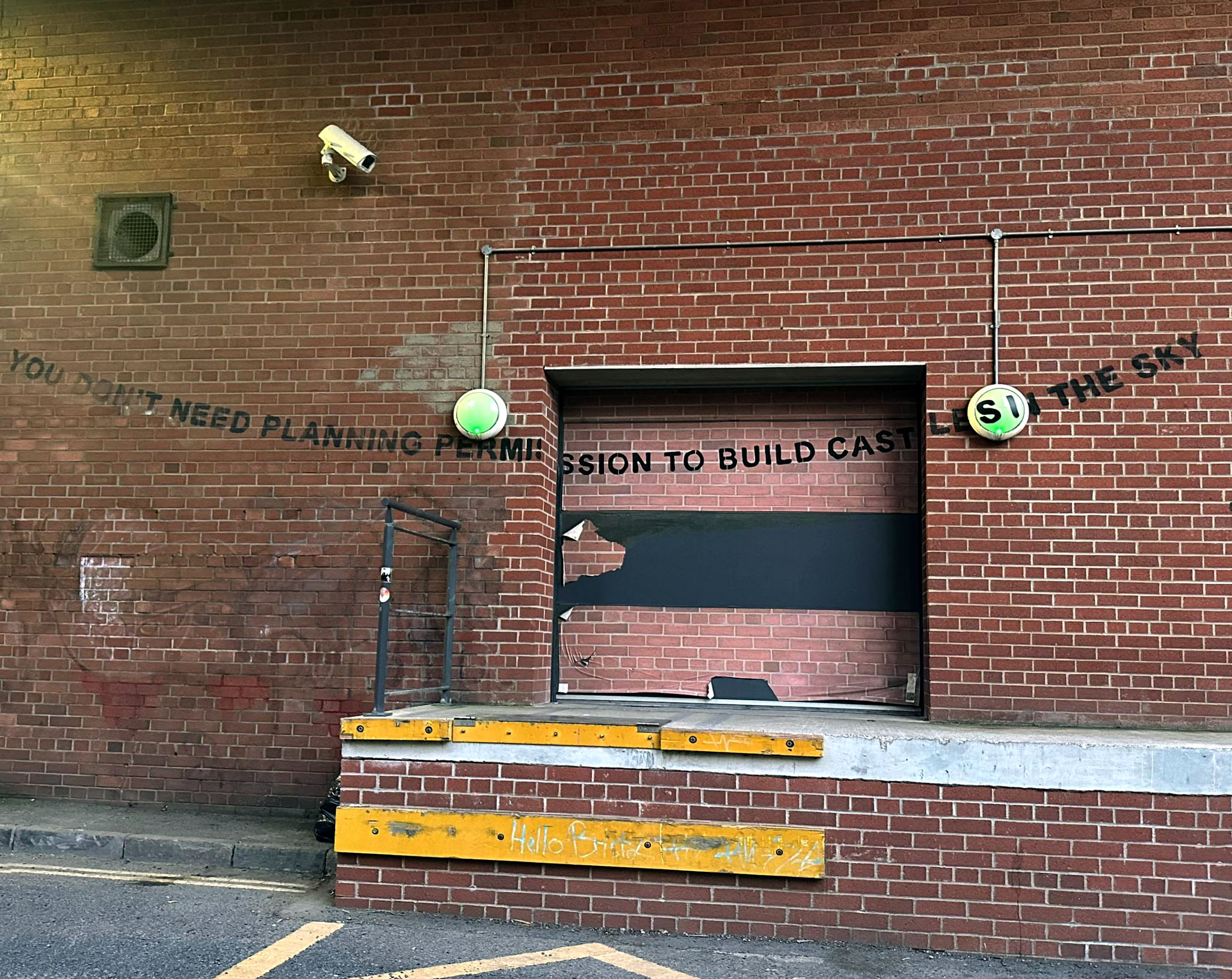
Naturalmente Bristol non sarebbe Bristol senza Banksy. La città è il suo terreno di gioco originario e conserva ancora molte delle sue opere più celebri.
Qui la street art non è un’aggiunta decorativa: è parte integrante del paesaggio urbano. Dialoga con i vecchi magazzini, con le infrastrutture portuali recuperate e con l’energia creativa che caratterizza il waterfront. In qualche modo, Banksy e il porto raccontano la stessa storia: quella di una città capace di reinventarsi continuamente senza perdere il senso dell’ironia.
Of course, Bristol wouldn’t be Bristol without Banksy. The city is his original playground and still preserves many of his most famous works.
Here, street art is not a decorative addition: it is an integral part of the urban landscape. It dialogues with old warehouses, reclaimed port infrastructure and the creative energy that characterizes the waterfront. Somehow, Banksy and the port tell the same story: that of a city capable of continually reinventing itself without losing its sense of irony.
Nota opera di Banksy “You don’t need planning permission to build castles in the sky” in Lower Lamb Street. (Foto di Ester Badami).
Famous graffiti by Banksy “You don’t need planning permission to build castles in the sky” in Lower Lamb Street. (Photo by Ester Badami).
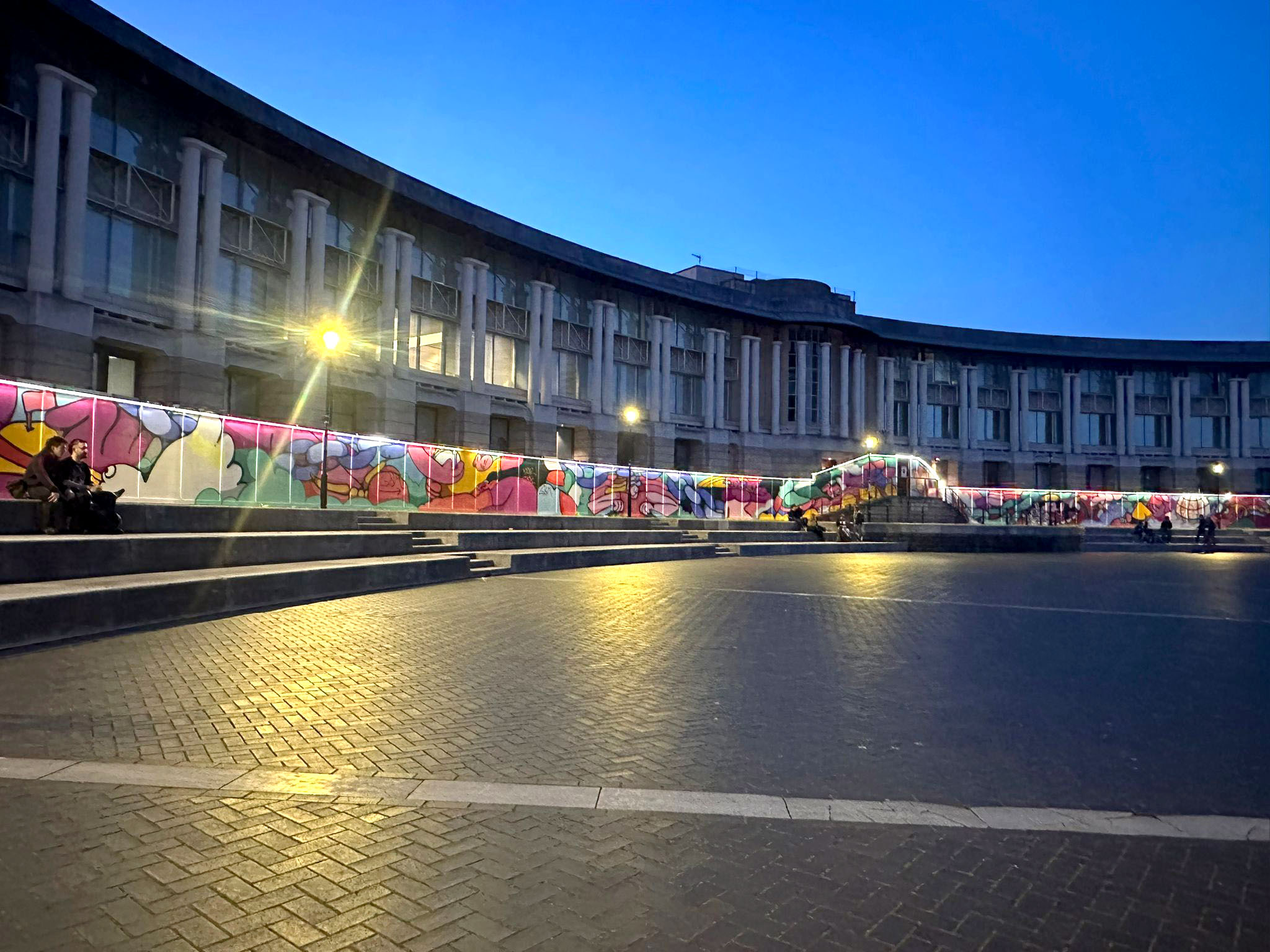
Murales sul Lloyds Amphitheatre nella piazza del Waterfront. (Foto di Ester Badami).
Graffiti on “Lloyds Amphitheatre” facing Waterfront Square. (Photo by Ester Badami).
E, naturalmente, c’è anche lui: Barbanera! La leggenda vuole che Edward Teach, il più famoso pirata dell’Atlantico, abbia trascorso parte della propria giovinezza a Bristol prima di diventare il terrore dei mari. Vero o falso? Poco importa. La città ha deciso di adottarlo come uno dei propri personaggi simbolo, e il suo fantasma sembra ancora aggirarsi tra pub, insegne e racconti del porto. Del resto, quale città potrebbe rinunciare a un pirata quando ha già un artista anonimo che dipinge muri e dei container che servono ottima cucina?
And, of course, there’s him too: Blackbeard! Legend has it that Edward Teach, the Atlantic’s most famous pirate, spent part of his youth in Bristol before becoming the terror of the seas. True or false? It doesn’t matter. The city has decided to adopt him as one of its iconic characters, and his ghost still seems to wander among pubs, signs and tales of the port. Besides, what city could give up a pirate when it already has an anonymous artist painting walls and shipping containers serving excellent cuisine?
L’arte di non finire in un museo
The Art of not Ending up in a Museum
Forse il segreto di Bristol è proprio questo: non aver trasformato il proprio passato in un museo. Le banchine che un tempo accoglievano zucchero e cacao oggi ospitano concerti e mercati gastronomici. I magazzini sono diventati spazi espositivi, gallerie e ristoranti. Le barche sono diventate residenze e locali. I container sono diventati architettura. Le merci provenienti da tutto il mondo sono diventate ricette. E le vecchie rotte oceaniche sono diventate storie.
Perhaps Bristol’s secret is precisely this: not having turned its past into a museum. The docks that once housed sugar and cocoa now host concerts and food markets. Warehouses have become museums, galleries and restaurants. The boats have become residences and premises. Containers have become architecture. Goods from all over the world have become recipes. And old ocean routes have become stories.
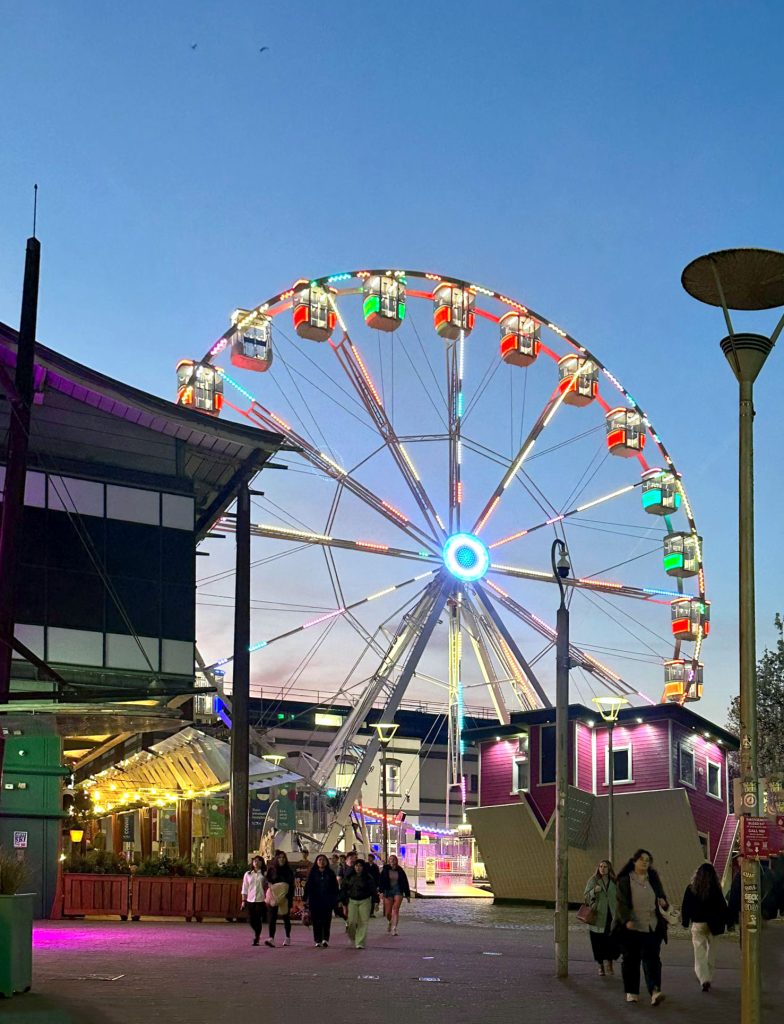
La casa capovolta di Bristol e la ruota panoramica in Ancor Square. (Foto di Ester Badami).
The upside-down house of Bristol and the Ferris wheel in Anchor Square. (Photo by Ester Badami).
Così, mentre le luci delle barche si riflettono sull’acqua, un ritratto vittoriano osserva una giungla tropicale dipinta su una parete e qualcuno sorseggia un cocktail al rum dentro un container affacciato sul porto. In quel momento si capisce che Bristol non ha semplicemente rigenerato il suo waterfront. Ha compiuto qualcosa di molto più raro: ha trasformato la storia in divertimento, la memoria in creatività e un vecchio porto commerciale in uno dei luoghi più sorprendenti d’Europa.
E se alla fine della giornata vi sembrerà perfettamente normale cenare in una scatola di metallo, ballare su una barca, discutere di street art e scoprire che un pirata potrebbe essere il vicino di tavolo più credibile della serata, non preoccupatevi: significa semplicemente che Bristol ha fatto il suo lavoro e che siete entrati a far parte di una delle sue storie.
So, as dusk falls in the docks and the boat lights glitter on water, a Victorian portrait shows off its best unblinking gaze over a tropical jungle wallpaper and some laid-back one sips rum inside a container overlooking the harbour… there, right there, that is the moment when it becomes clear that Bristol has not simply regenerated her waterfront. She has accomplished something far rarer: she has transformed history into fun, memory into creativity, and an old boring trading port into one of the most amazing places in Europe.
And if at the end of the day it seems perfectly normal to have dinner in a metal box or a disco night on a boat, to discuss about mind blowing street art, or discover that the pirate sat next to you might be the most believable client of the evening, don’t be afraid: it simply means that Bristol has done the job right and that now you have become part of one of her stories.
IMMAGINE INIZIALE | La SS Great Britain di Brunel, transatlantico progettato da Isambard Kingdom Brunel e restaurata nel 1843, ora adibito a museo. (Foto di Ester Badami).
HEAD IMAGE | Brunel’s SS Great Britain, Ocean liner designed by Isambard Kingdom Brunel and restored in 1843, now a museum. (Photo by Ester Badami).