╔
Il segreto dei monaci: quando un dolce diventa la meta del viaggio
È il dolce nazionale per eccellenza, l’ambasciatore indiscusso della pasticceria portoghese nel mondo, il simbolo gastronomico di Lisbona stessa: il Pastel de nata. Ma per assaporare l’autentico, quello per cui vale la pena di fare code interminabili sotto il sole, bisogna cercarlo sotto il suo nome battesimale, quello originale: il Pastel de Belém. Un nome che è un viaggio, un destino, una promessa di genuinità millesimata.
L’etimo, come spesso accade, è tutto un programma. Belém discende Betlemme, a sottolineare la profonda origine religiosa di questa delizia. È qui, nell’omonimo quartiere di Lisbona affacciato sul fiume Tago, a poca distanza dal maestoso Mosteiro dos Jerónimos e dall’iconica Torre di Belém, che la storia del pasticcino più famoso del Portogallo ha avuto inizio, intrecciandosi indissolubilmente con quella del luogo che gli ha dato i natali e il nome.
It’s the national dessert par excellence, the undisputed ambassador of Portuguese pastry around the world, and the very symbol of Lisbon itself: the Pastel de nata. But to taste the real one – the kind worth queuing for under the blazing sun – you must seek it by its original, baptismal name: the Pastel de Belém. A name that’s a journey in itself, a destiny, a promise of time-honoured authenticity.
As is often the case, the name says it all. Belém comes from Bethlehem, a nod to the deep religious roots of this divine creation. It was here, in the riverside district of Lisbon that shares its name, a stone’s throw from the majestic Mosteiro dos Jerónimos and the iconic Belém Tower, that the story of Portugal’s most famous pastry began – intertwined forever with the place that gave it life and name.
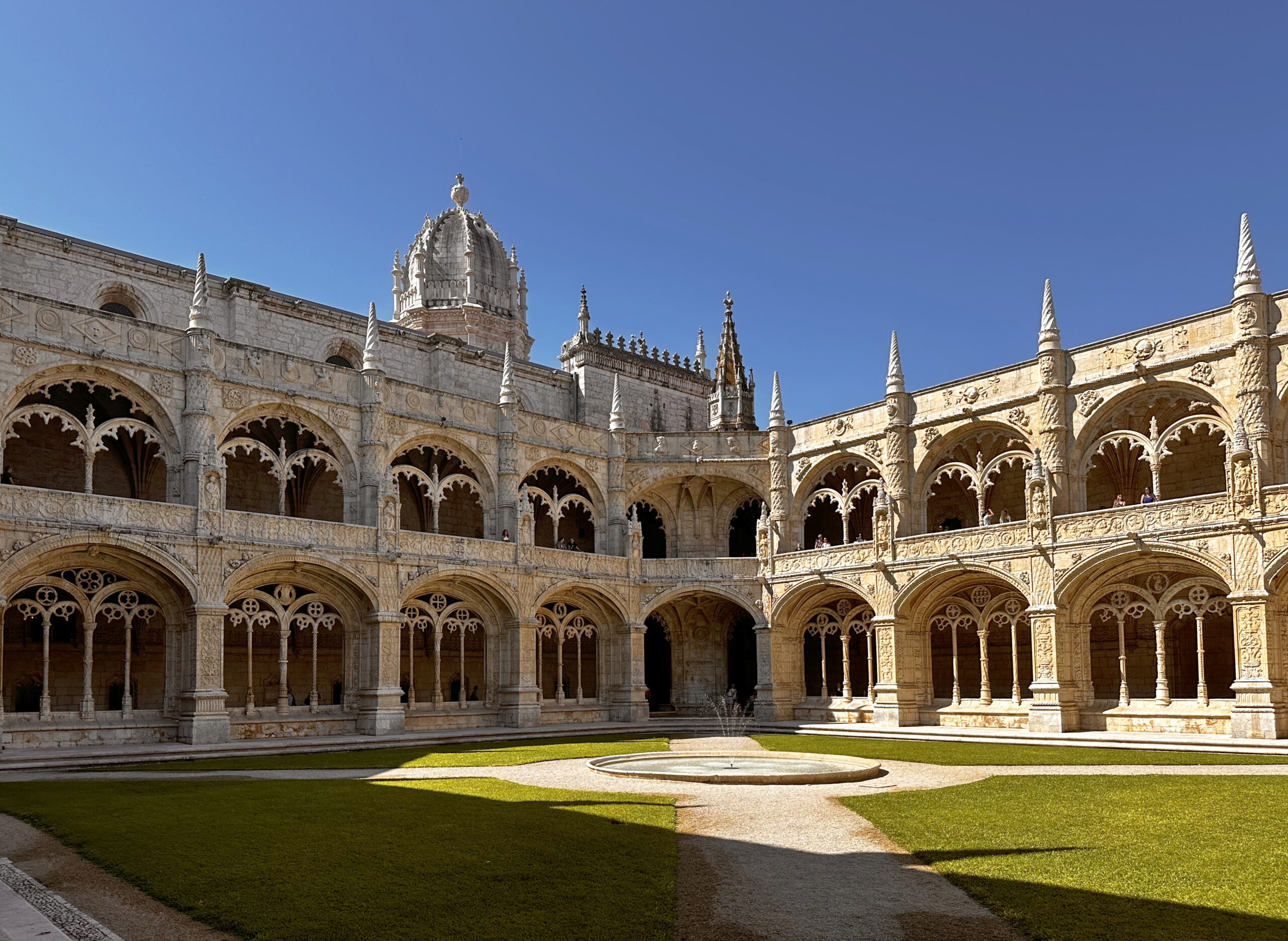
Monastero dos Jerónimos. (© Lucrezia Carta, 2025).
Monastero dos Jerónimos. (© Lucrezia Carta, 2025).
Sull’estuario del fiume Tago, affacciato sull’ampio orizzonte dell’Oceano Atlantico, l’antico villaggio di pescatori – un tempo chiamato Restelo – divenne Belém con la costruzione della piccola chiesa dedicata a Santa Maria di Betlemme, luogo in cui i marinai sostavano in preghiera prima di imbarcarsi. Si narra che tra loro vi fosse anche Vasco da Gama, che qui avrebbe chiesto la benedizione divina prima di salpare per l’audace viaggio che lo condusse alla scoperta della rotta per le Indie.
Il successo della sua spedizione cambiò per sempre il destino di Belém, trasformandola in rampa di lancio per le rotte verso l’India, l’Asia e la Cina. Da queste sponde partirono altri eminenti esploratori, come Pedro Álvares Cabral, Bartolomeu Dias e Fernão de Magalhães. In segno di celebrazione di questa stagione di conquiste, il re Don Manuel I volle erigere il monumentale complesso del Monastero di San Girolamo, un’opera grandiosa che si estende per oltre 11.000 metri quadrati.
Qui i monaci, oltre a dedicarsi agli esercizi spirituali e a pregare per il benessere dei marinai e del Re, dettero avvio fin dall’inizio del XIX secolo a una industriosa attività nata dalla necessità di utilizzare le abbondanti rimanenze di tuorli d’uovo, scarto dei processi della chiarificazione dei vini e dell’inamidatura delle vesti per i quali venivano impiegati gli albumi. Nacque così, tra le mura del monastero, una ricetta di crema pasticcera avvolta in una sfoglia croccante, un segreto custodito come una sacra reliquia nel silenzio delle cucine monastiche. Il dolce divenne ben presto anche una piccola fonte di sostentamento, venduto in un modesto spaccio tanto per sfamare i pellegrini quanto per rimpinguare le casse del monastero.
Con la Rivoluzione Liberale del 1820, e la conseguente soppressione degli ordini religiosi, i monaci furono costretti a lasciare il convento ma portarono con sé il segreto del pasticcino (o forse lo barattarono per un lauto compenso?). La leggenda vuole infatti che fu un imprenditore illuminato, Domingos Rafael Alves, proprietario di una raffineria di zucchero lì vicino, a convincere i monaci a vendere la ricetta e, così, a salvarne l’eredità. Nel 1837, aprì i cancelli della Antiga Confeitaria de Belém, dando il via a un’impresa familiare che, da allora, non ha mai smesso di forgiare magicamente tuorli, zucchero, cannella e pasta sfoglia in quelle piccole opere d’arte dal cuore caldo e dalla veste croccante.
On the estuary of the Tagus River, facing the vast horizon of the Atlantic, the old fishing village – once called Restelo – was renamed Belém after the construction of a small church dedicated to Saint Mary of Bethlehem, where sailors would pray before setting off to sea. Legend has it that even Vasco da Gama stopped here to ask for divine protection before embarking on his daring voyage to India.
The success of that expedition changed Belém’s fate: it became the springboard for routes to India, Asia, and China, home port of other famous explorers such as Pedro Álvares Cabral, Bartolomeu Dias, and Fernão de Magalhães. King Manuel, I commemorated those achievements with the grand construction of the Jerónimos Monastery, a marvel of over 11,000 square metres.
Here, the monks not only prayed for the King and his sailors but also found a clever way to use the many leftover egg yolks – the by-product of wine clarification and the starching of vestments, which required only the whites. Thus, was born, within the monastery walls, a custard wrapped in crisp puff pastry: a recipe whispered in secret and guarded like a sacred relic. The sweet treat soon became a modest source of income, sold to pilgrims and locals alike.
When the Liberal Revolution of 1820 led to the dissolution of religious orders, the monks were forced to leave – but not without their golden secret (or did they perhaps trade it for a generous offer?). Legend has it that an enlightened businessman, Domingos Rafael Alves, who owned a nearby sugar refinery, convinced them to sell the recipe and, in doing so, saved its legacy. In 1837 he opened the Antiga Confeitaria de Belém, a family-run bakery that has never stopped turning egg yolks, sugar, cinnamon, and puff pastry into small, warm-hearted masterpieces with a perfectly flaky crust.
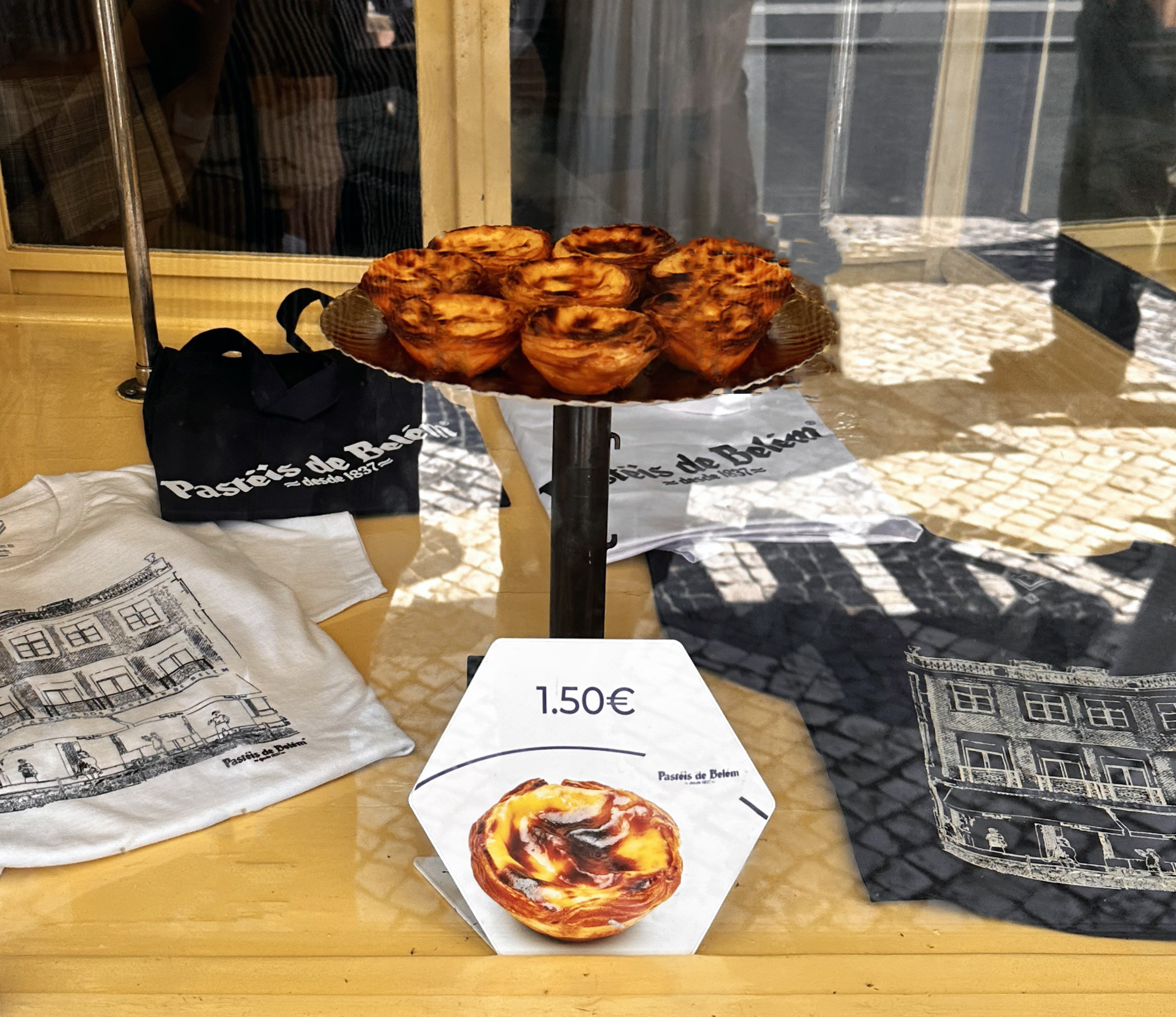
Pastéis de Belém. (© Lucrezia Carta, 2025).
Pastéis de Belém. (© Lucrezia Carta, 2025).
Oggi come allora, la ricetta originale rimane un mistero gelosamente custodito, un “Santo Graal” della pasticceria. I pochi maestri pasticceri depositari del sapere (sembra che ne esistano solo tre o quattro al mondo!) firmano patti di segretezza, tramandando oralmente e con gesti rituali la “ricetta segreta” di generazione in generazione, in un locale che è ormai una “fabbrica dei sapori”, capace di sfornare fino a cinquantamila pasticcini al giorno.
Even today, the original recipe remains a fiercely guarded mystery – a true “Holy Grail” of pastry-making. Only a handful of master bakers (rumour says no more than three or four in the world!) know the secret, bound by confidentiality oaths and ancient ritual gestures, passing it down from generation to generation inside what has become a veritable “factory of flavour”, producing up to fifty thousand pastries a day.
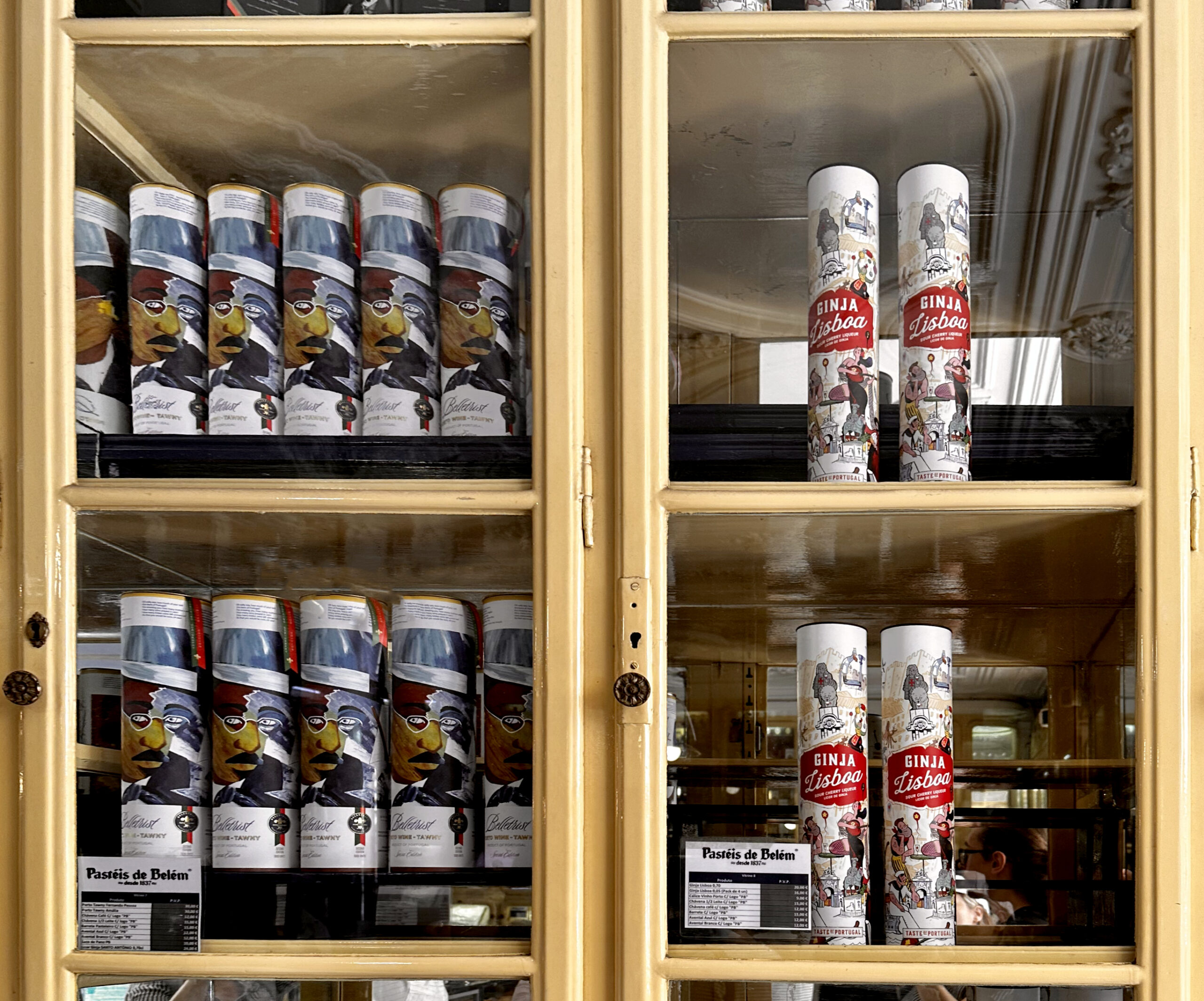
Pastéis de Belém confezionati in scatole da asporto. (© Lucrezia Carta, 2025).
Pastéis de Belém packaged in take-out boxes. (© Lucrezia Carta, 2025).
Ma perché proprio qui? Perché il nome di Belém è così fondamentale?
Perché Belém, come Betlemme, rappresenta un punto di partenza per qualcosa di nuovo, un luogo dove si incarna l’idea di nascita: a Betlemme la nascita di Gesù per il mondo cristiano, a Belém l’inizio delle grandi esplorazioni per il Portogallo. Perché Belém era punto di partenza e di approdo, luogo dove il mondo conosciuto finiva e iniziava l’ignoto, portale delle scoperte che hanno dischiuso il mondo moderno, e proprio qui quel dolce si è rivestito di cariche simboliche e apotropaiche rappresentando un atto propiziatorio e consolatorio per marinai, mercanti, esploratori e pellegrini in transito. Era il loro ultimo, dolce conforto prima di prendere il mare o il primo, soave benvenuto al ritorno.
Il Pastel de Belém è divenuto così uno dei prodotti portuali più iconici, nato dalla necessità di conservare e reinventare, dall’incrocio tra culture, tradizioni gastronomiche e materie prime dell’impero portoghese (le spezie dall’oriente, lo zucchero dalle colonie) che solo in una città portuale come Lisbona hanno potuto trasmutarsi in un crogiolo di sapori che racchiude secoli di storia.
I tentativi di imitazione sono infiniti, e oggi in ogni cafè del paese, e del mondo, si trovano i suoi degni ma lontani cugini, i Pastéis de nata (paste alla crema). Ma solo a Belém, in questo piccolo angolo di Lisbona, si può vivere l’esperienza sinestetica completa: la coda che serpeggia fuori dal caratteristico edificio azulejato, l’odore di cannella e zucchero caramellato che invade l’aria, il calore del pasticcino appena sfornato che scotta le dita, il contrasto sublime tra la sfoglia friabile e la crema vellutata e intensa, il tutto innaffiato da un caffè robusto o da un Porto Bianco gelido.
Assaggiare un Pastel de Belém sul posto, all’ombra del monumento Padrão dos Descobrimentos dedicato alle scoperte dei navigatori portoghesi, non è una semplice merenda. È un pellegrinaggio laico, un rito che unisce il viaggiatore di oggi a quello di ieri, in un porto dove il destino ha voluto che si creasse una delle più dolci e indimenticabili invenzioni per il palato.
But why here? Why is Belém so essential to the story?
Because, like Bethlehem, Belém marks a beginning – a place where the idea of birth takes shape: in Bethlehem, that of Christ; in Belém, that of discovery. It was both a point of departure and return, the edge of the known world and the gateway to the unknown. Here, the pastry gained a symbolic power: a sweet charm of protection and comfort for sailors, merchants, explorers, and pilgrims. It was their last, tender indulgence before setting sail – or their first, blissful welcome upon return.
The Pastel de Belém thus became one of the most iconic “portside” creations ever made – born from necessity, reinvented through cultural encounters, enriched by ingredients from the far reaches of the Portuguese empire: spices from the East, sugar from the colonies. Only a port city like Lisbon could have produced such an alchemy of flavours condensed into a single bite of history.
Imitations abound, of course. Today, Pastéis de nata can be found in every café across Portugal and beyond. Yet only in Belém – in that tiled, blue-and-white building with the long, winding queue outside – can you truly experience the magic: the scent of caramelised sugar and cinnamon in the air, the heat of the freshly baked tart that burns your fingers just enough, the sublime contrast between the shattering crispness of the pastry and the velvety cream within, best enjoyed with a strong espresso or an icy white Port.
Eating a Pastel de Belém right there, under the shadow of the Padrão dos Descobrimentos – the Monument to the Discoveries – is not just a snack. It’s a secular pilgrimage, a small rite connecting today’s traveller with the explorers of the past, in a port where destiny once gave birth to one of the sweetest and most unforgettable inventions ever to grace the palate.
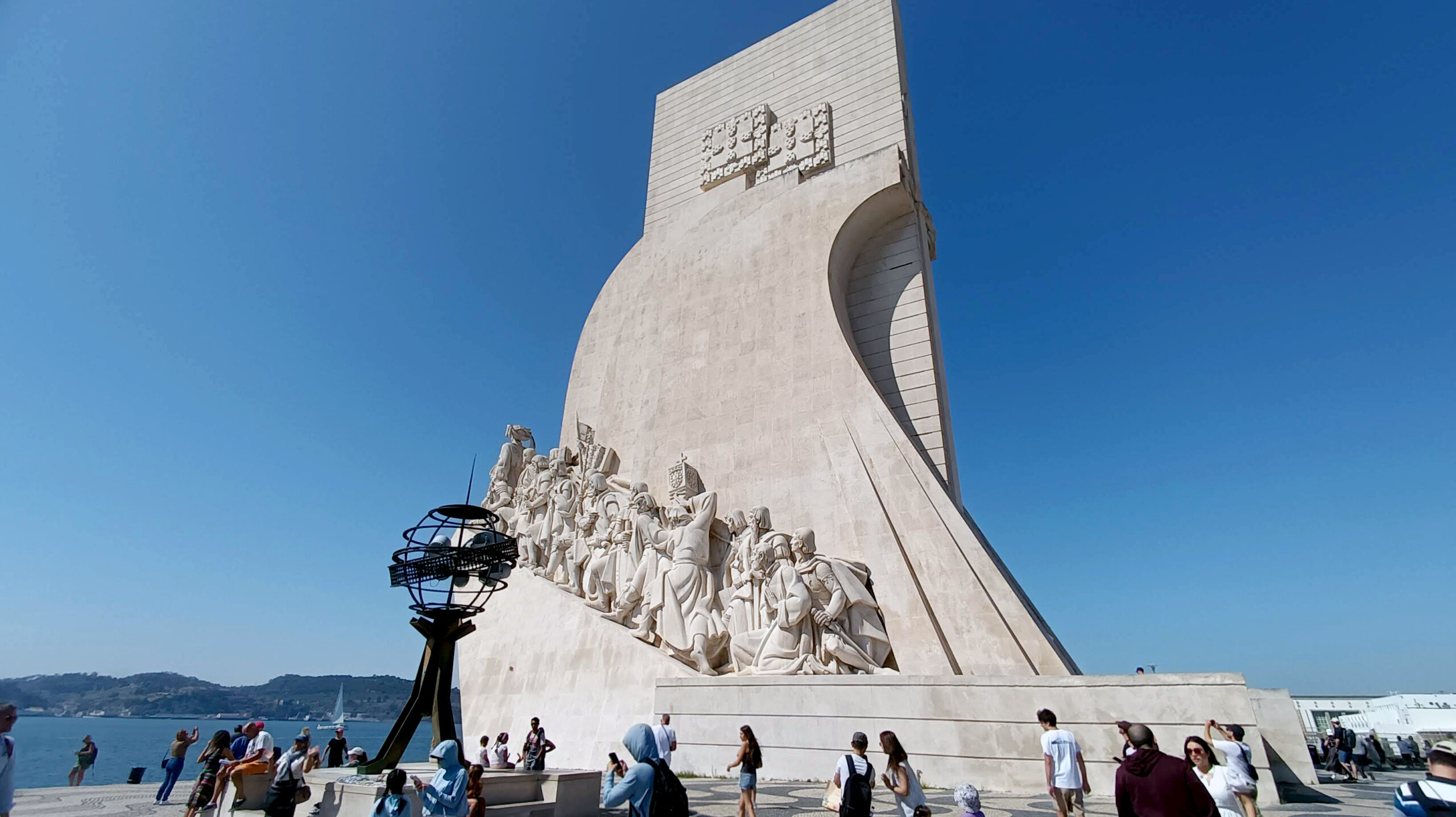
Padrão dos Descobrimentos. (© Andrea Augello, 2025).
Padrão dos Descobrimentos. (© Andrea Augello, 2025).
IMMAGINE INIZIALE | Miradouro da Graça. (© Andrea Augello, 2025).
HEAD IMAGE | Miradouro da Graça. (© Andrea Augello, 2025).