╔
Il Palais des Festivals di Cannes torna a ospitare -dal 9 al 13 marzo 2026- il principale appuntamento mondiale dedicato al real estate e all’innovazione urbana. In un contesto geopolitico ed economico in rapida evoluzione, il MIPIM si conferma l’epicentro del dialogo internazionale sul futuro dell’ambiente costruito, un luogo dove non si presentano soltanto progetti, ma si definiscono strategie globali per rendere gli asset urbani più sostenibili, resilienti e competitivi.
L’edizione di quest’anno si presenta come un vero e proprio Global Urban Festival, una piattaforma unica al mondo capace di riunire l’intera catena del valore: investitori istituzionali, governi nazionali, sindaci delle principali città, architetti, sviluppatori, leader tecnologici e decision maker pubblici. Oltre 20.000 professionisti del settore, provenienti da 90 Paesi, si ritroveranno nel Sud della Francia per confrontarsi sulle trasformazioni che stanno ridisegnando città e mercati in un contesto geopolitico ed economico in rapida evoluzione.
The Palais des Festivals in Cannes will once again host -from 9 to 13 March 2026- the world’s leading event dedicated to real estate and urban innovation. In a rapidly evolving geopolitical and economic landscape, MIPIM confirms its role as the epicenter of international dialogue on the future of the built environment, a place where projects are not only showcased but where global strategies are defined to make urban assets more sustainable, resilient, and competitive.
This year’s edition presents itself as a true Global Urban Festival, a one‑of‑a‑kind platform capable of bringing together the entire value chain: institutional investors, national governments, municipal leaders of major cities, architects, developers, technology leaders, and public decision‑makers. More than 20,000 industry professionals from 90 countries will gather in the South of France to discuss the transformations reshaping cities and markets in a geopolitical and economic context that is evolving at great speed.
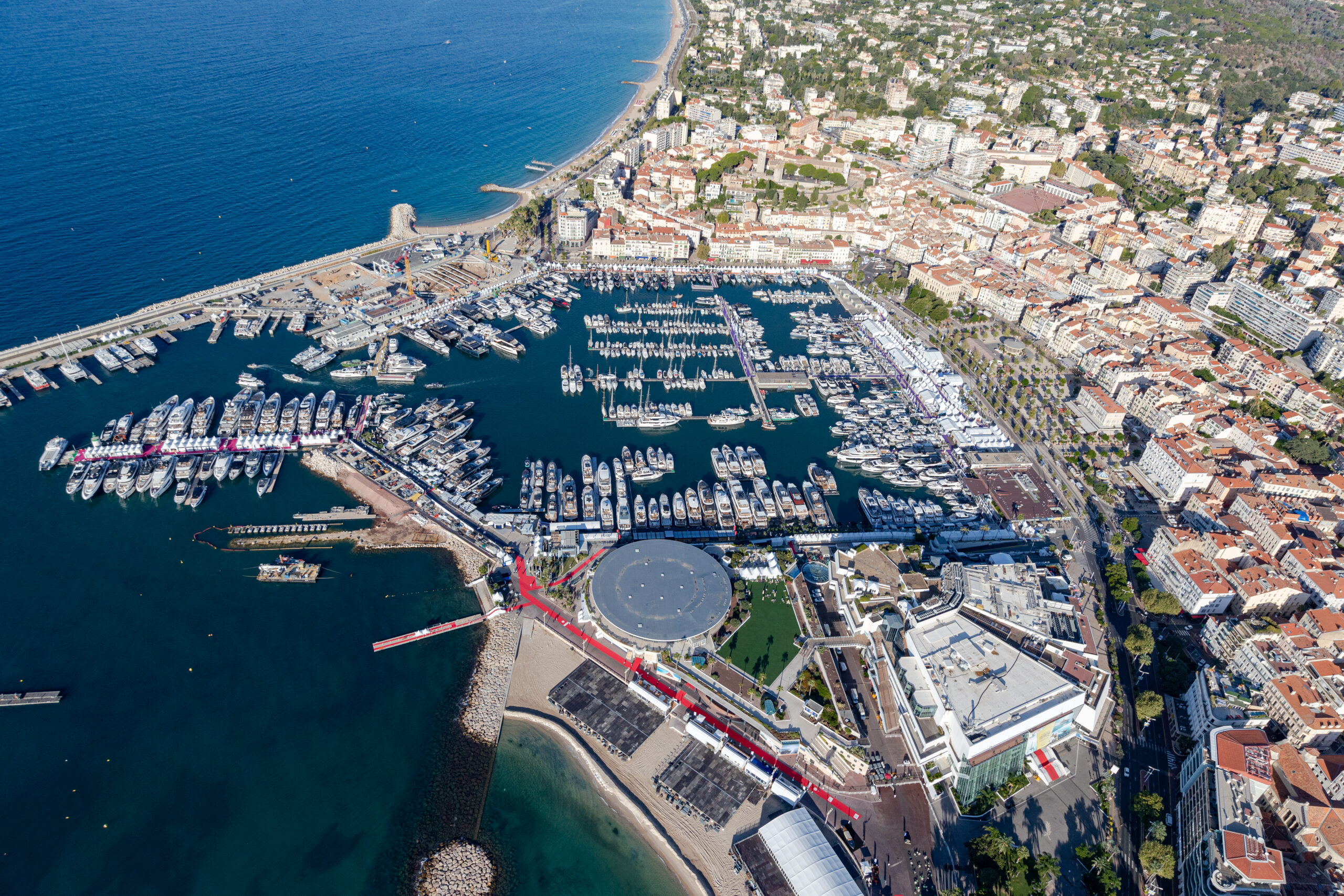
Vista panoramica del Palais des Festivals di Cannes, sede del MIPIM, insieme all’area espositiva esterna e al porto turistico adiacente. (Fonte: MIPIM, 2025; Foto: © Kelagopian).
Panoramic view of the Palais des Festivals in Cannes, the venue of MIPIM, together with the outdoor exhibition area and the adjacent tourist port. (Source: MIPIM, 2025; Photo: © Kelagopian).
Le sessioni tematiche ospiteranno dibattiti dedicati all’impatto dell’intelligenza artificiale, alla crescita dei data center, alle nuove frontiere della sostenibilità e alle strategie per trasformare l’innovazione tecnologica in un vantaggio competitivo. L’impegno dell’evento rimane quello di supportare i leader del settore nell’interpretare e gestire i profondi cambiamenti economici e tecnologici che stanno ridisegnando città e mercati, offrendo insight cruciali per investitori, policy maker e professionisti del real estate, in un’epoca in cui AI e innovazione stanno ridefinendo l’intero ecosistema urbano.
In questo scenario, il MIPIM trascende la dimensione della fiera di settore per accreditarsi come osservatorio privilegiato: un laboratorio globale dove la città viene ripensata come ecosistema complesso e adattivo, capace di far coesistere innovazione tecnologica, responsabilità sociale e nuove forme di resilienza urbana. Ed è proprio in questa prospettiva che l’edizione 2026 sceglie di inaugurare i lavori con una riflessione di alto profilo sul ruolo dell’innovazione nella crescita urbana.
The thematic sessions will host debates on the impact of artificial intelligence, the growth of data centers, the new frontiers of sustainability, and the strategies needed to turn technological innovation into a competitive advantage. The event’s mission remains to support industry leaders in interpreting and managing the profound economic and technological shifts that are reshaping cities and markets, offering crucial insights for investors, policymakers, and real estate professionals at a time when AI and innovation are redefining the entire urban ecosystem.
In this context, MIPIM goes beyond the traditional scope of a trade fair to establish itself as a privileged observatory: a global laboratory where the city is reimagined as a complex and adaptive ecosystem capable of integrating technological innovation, social responsibility, and new forms of urban resilience. It is precisely from this perspective that the 2026 edition will open with a high‑level reflection on the role of innovation in urban growth.
Innovazione e Distruzione Creativa: la visione di Philippe Aghion per le città globali
Innovation and Creative Destruction: Philippe Aghion’s Vision for Global Cities
La conferenza inaugurale della 36ª edizione del MIPIM, prevista per il 10 marzo, segna un cambio di passo strategico per la kermesse di Cannes. La scelta di affidarla a Philippe Aghion —Professore al Collège de France e all’INSEAD, insignito del Premio Nobel per l’Economia 2025— riflette il rinnovato orientamento strategico impresso dal Direttore Nicolas Boffi. La presenza di Aghion invita a guardare oltre le singole transazioni immobiliari, concentrando l’attenzione sulle dinamiche macroeconomiche che definiscono il futuro delle metropoli e sul ruolo dell’innovazione per lo sviluppo resiliente del territorio.
“Il suo lavoro pionieristico su crescita e innovazione offre spunti cruciali per investitori, decisori politici e professionisti del settore immobiliare” ha dichiarato Boffi. “In un’epoca in cui tecnologia e innovazione stanno rimodellando città e mercati, in cui l’intelligenza artificiale sta cambiando tutto ciò che facciamo, la sua prospettiva aiuterà i leader ad affrontare queste trasformazioni con sicurezza“.
Il contributo di Aghion approfondirà in particolare il concetto di “distruzione creativa“, teoria rivoluzionaria sviluppata insieme a Peter Howitt che gli è valsa il Nobel, secondo la quale la crescita economica non è un processo lineare, ma un ciclo dinamico in cui l’innovazione —nuove idee, tecnologie e modelli di business— sostituisce quello che risulta obsoleto.
Applicato allo sviluppo urbano, questo principio suggerisce che la resilienza e la prosperità di una città dipendono dalla capacità di sostituire modelli ormai inadeguati alle nuove sfide con soluzioni d’avanguardia, tecnologie digitali, innovazioni “blue green” in grado di proteggere il valore degli asset da potenziali rischi climatici, energetici, normativi, etc.
Secondo le sue teorie l’interazione tra capitali pubblici e privati ha un ruolo chiave nell’accelerare la transizione ecologica e la realizzazione di infrastrutture critiche – come i data center- mentre l’Intelligenza Artificiale, ambito in cui è stato protagonista in qualità di co-presidente della Commissione Francese sull’AI, si conferma uno strumento essenziale per stimolare la produttività e rafforzare la competitività, quindi una priorità per investimenti, ricerca e formazione. Tuttavia, sono le politiche pubbliche a dover guidare attivamente il cambiamento, anche quando questo implica il superamento di paradigmi consolidati; il ruolo delle istituzioni, dei leader di settore e degli stakeholder coinvolti nei processi è fondamentale per garantire l’adattamento e affrontare le sfide del XXI secolo.
Le riflessioni di Aghion non restano sul piano teorico, ma trovano una traduzione immediata nei progetti che stanno ridefinendo il real estate a livello internazionale.
The opening conference of the 36th edition of MIPIM, scheduled for 10 March, marks a strategic shift for the Cannes event. The decision to entrust it to Philippe Aghion —Professor at the Collège de France and INSEAD, and recipient of the 2025 Nobel Prize in Economics— reflects the renewed strategic direction introduced by Director Nicolas Boffi. Aghion’s presence encourages a perspective that goes beyond individual real estate transactions, focusing instead on the macroeconomic dynamics shaping the future of metropolitan areas and on the role of innovation in fostering resilient territorial development.
“His pioneering work on growth and innovation offers crucial insights for investors, policymakers and real estate professionals”, said Boffi. “At a time when technology and innovation are reshaping cities and markets, and artificial intelligence is changing everything we do; his perspective will help leaders navigate these transformations with confidence”.
Aghion’s contribution will delve in particular into the concept of “creative destruction”, the revolutionary theory developed with Peter Howitt that earned him the Nobel Prize. According to this framework, economic growth is not a linear process but a dynamic cycle in which innovation —new ideas, technologies, and business models— replaces what has become obsolete.
Applied to urban development, this principle suggests that a city’s resilience and prosperity depend on its ability to replace outdated models that can no longer meet emerging challenges with cutting‑edge solutions, digital technologies, and “blue‑green” innovations capable of protecting asset value from potential climate, energy, regulatory, and other systemic risks.
According to his theories, the interaction between public and private capital plays a key role in accelerating the ecological transition and the development of critical infrastructure —such as data centers— while Artificial Intelligence, a field in which he has been a leading figure as co‑chair of the French AI Commission, is emerging as an essential tool to boost productivity and strengthen competitiveness, and therefore a priority for investment, research, and training. However, it is public policy that must actively steer this transformation, even when it requires moving beyond established paradigms; the role of institutions, industry leaders, and stakeholders involved in these processes is fundamental to ensuring adaptation and addressing the challenges of the twenty‑first century. Aghion’s reflections do not remain purely theoretical; they find immediate expression in the projects that are redefining real estate at an international level.
MIPIM Awards: un’anteprima del futuro
MIPIM Awards: A Preview of the Future
L’espressione più tangibile di questa impostazione saranno i MIPIM Awards 2026, che con prestigiosi riconoscimenti celebreranno i progetti di sviluppo più visionari, capaci di coniugare estetica originale, innovazione e impatto sociale per accrescere il valore urbano. Selezionati tra proposte altamente competitive -con un numero record di candidature da tutto il mondo- i 40 progetti finalisti di questa edizione rappresentano 19 paesi, dall’Oman all’Australia, con una forte prevalenza di eccellenze provenienti da Germania, Paesi Bassi, Francia e Regno Unito. Il portfolio riflette un cambio significativo di paradigma nell’approccio progettuale: l’interesse non è più rivolto all’icona o all’oggetto architettonico in sé, ma al potenziale dell’opera di diventare un catalizzatore urbano e un driver di rigenerazione sostenibile.
Presieduta da Véronique Bédague (CEO di Nexity), la giuria di esperti ha selezionato i progetti in base alla loro capacità di migliorare le prospettive dell’ambiente costruito, in linea con gli obiettivi ESG. La valutazione non si è limitata al fascino estetico, all’approccio tecnologico, ma ha considerato la sostenibilità complessiva, l’integrazione nella comunità, la qualità dell’esperienza utente e il contributo economico al territorio.
Come sottolineato dalla stessa Bédague: “La giuria è rimasta colpita dall’elevato livello di innovazione e sostenibilità dimostrato. Questo stabilisce un nuovo standard per i MIPIM Awards, celebrando sviluppi visionari che spaziano da edifici climatizzati naturalmente al restauro di quartieri storici. Ognuno di essi mostra modi unici in cui il settore immobiliare può creare luoghi più resilienti ed economicamente dinamici“.
Dalle proposte per i nuovi distretti misti alle infrastrutture portuali riconvertite, i progetti si fanno portatori di istanze cruciali: permeabilità tra spazio pubblico e privato, autosufficienza energetica dei complessi residenziali e direzionali, capacità di adattamento ai cambiamenti climatici e tutela degli ecosistemi urbani. Promuovono un’integrazione fluida tra paesaggio naturale e costruito, dove l’acqua non è più un elemento da confinare, ma una risorsa con cui coesistere. Ne emerge una nuova estetica della resilienza, in cui il confine tra terra e acqua diventa il cuore pulsante della rigenerazione urbana e un potente attrattore per nuovi investimenti.
The most tangible expression of this vision will be the 2026 MIPIM Awards, which will celebrate the most visionary development projects with prestigious recognitions projects, capable of combining original aesthetics, innovation, and social impact to enhance urban value. Selected from an exceptionally competitive pool, with a record number of submissions from around the world, the 40 finalists of this edition represent 19 countries, from Oman to Australia, with a strong presence of outstanding projects from Germany, the Netherlands, France, and the United Kingdom. The portfolio reflects a significant paradigm shift in design approaches: the focus is no longer on the icon or the architectural object itself, but on the project’s potential to become an urban catalyst and a driver of sustainable regeneration.
Presided over by Véronique Bédague (CEO of Nexity), the expert jury selected the projects based on their ability to improve the outlook of the built environment in line with ESG objectives. The evaluation went beyond aesthetic appeal and technological approach, taking into account overall sustainability, community integration, the quality of the user experience, and the project’s economic contribution to the territory.
As Bédague herself noted: “The jury was impressed by the high level of innovation and sustainability demonstrated. This sets a new standard for the MIPIM Awards, celebrating visionary developments ranging from naturally cooled buildings to the restoration of historic districts. Each of them showcases unique ways in which the real estate sector can create more resilient and economically dynamic places”.
From proposals for new mixed use districts to the transformation of port infrastructures, the projects embody a set of crucial priorities: permeability between public and private space, energy self sufficiency in residential and office complexes, the ability to adapt to climate change, and the protection of urban ecosystems. They promote a fluid integration between natural and built landscapes, where water is no longer an element to be contained but a resource to coexist with. What emerges is a new aesthetic of resilience, in which the boundary between land and water becomes the beating heart of urban regeneration and a powerful attractor for new investment.
More Information